The thousand variations of the terracotta
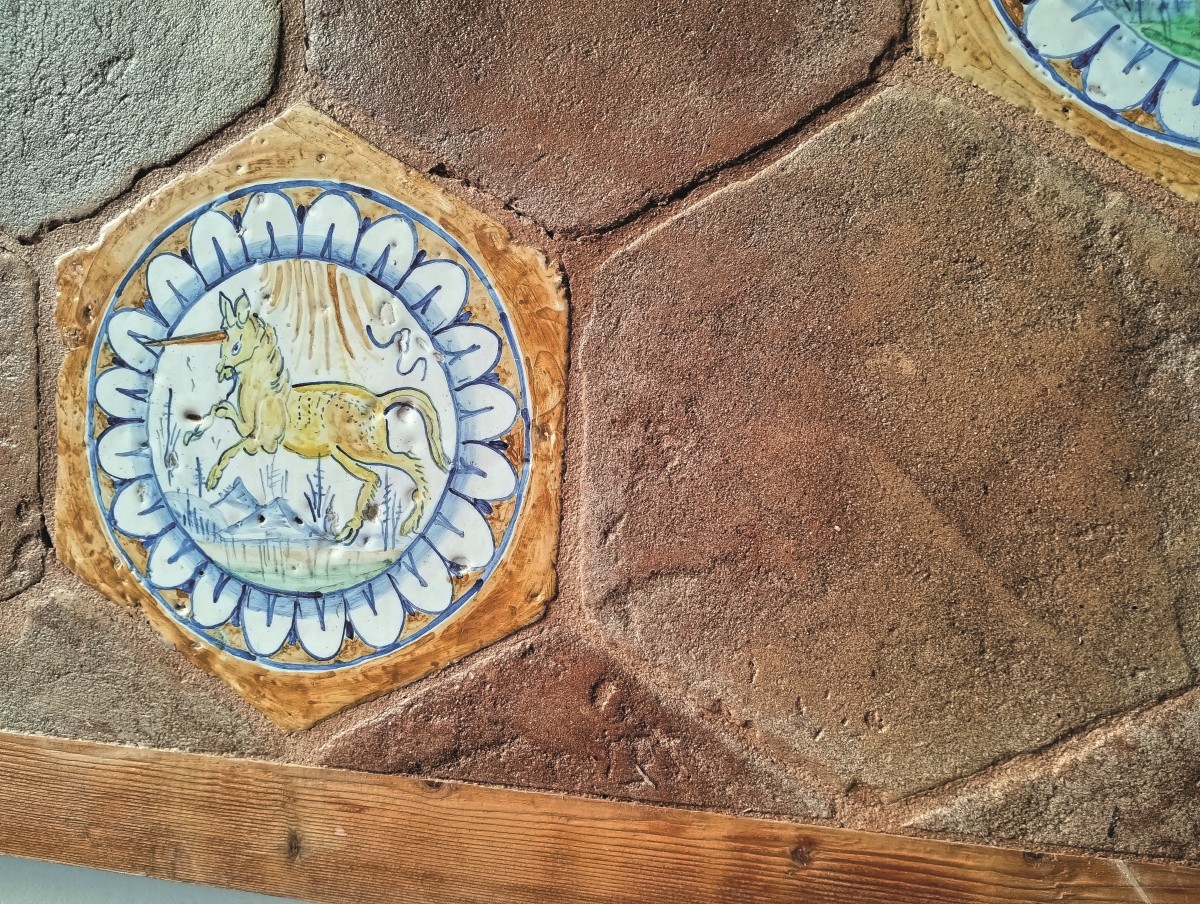
Unusual shapes that intertwine in flooring and coverings, originally produced at the request of wealthy customers, and "three-dimensional" pieces to create architectural projections and decorations: at the furnaces that produce according to ancient methods it is still possible to commission them. To reproduce classic architecture, but also to push towards high-rate creative solutions.
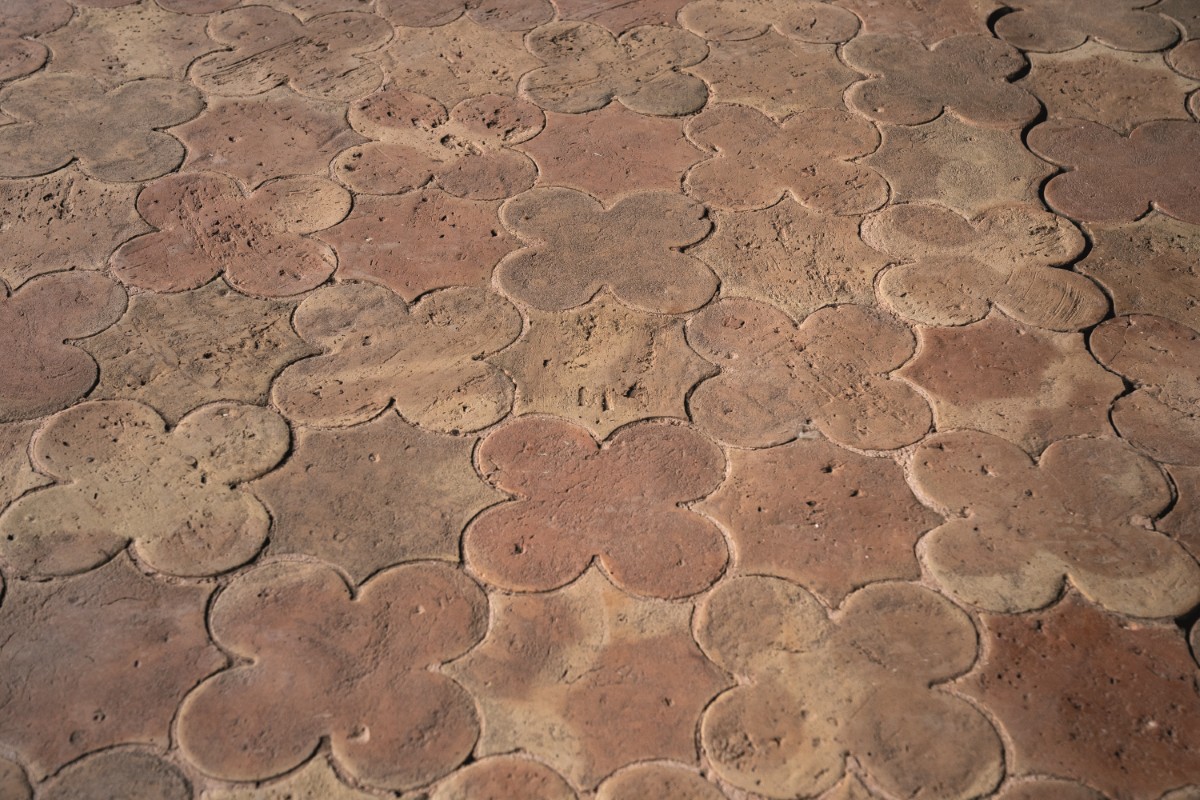
We talked about this in a number of in depths, to tell in detail the extraordinary properties, the production process according to traditional methods, the many variations that are found in the different geographical areas, the infinite colour effects that can characterize it. The terracotta is a princely element, because of its long history and the infinite variety of applications, since ancient times. Visiting historic farmhouses and dwellings from the south to the north of the country, including islands - therefore, in the same way, by browsing the pages of our magazine - we find very familiar and usual realizations, especially in the floors: may have different shapes and sizes, some variations in laying, but, in the vast majority of cases, always within certain precise patterns that are repeated.
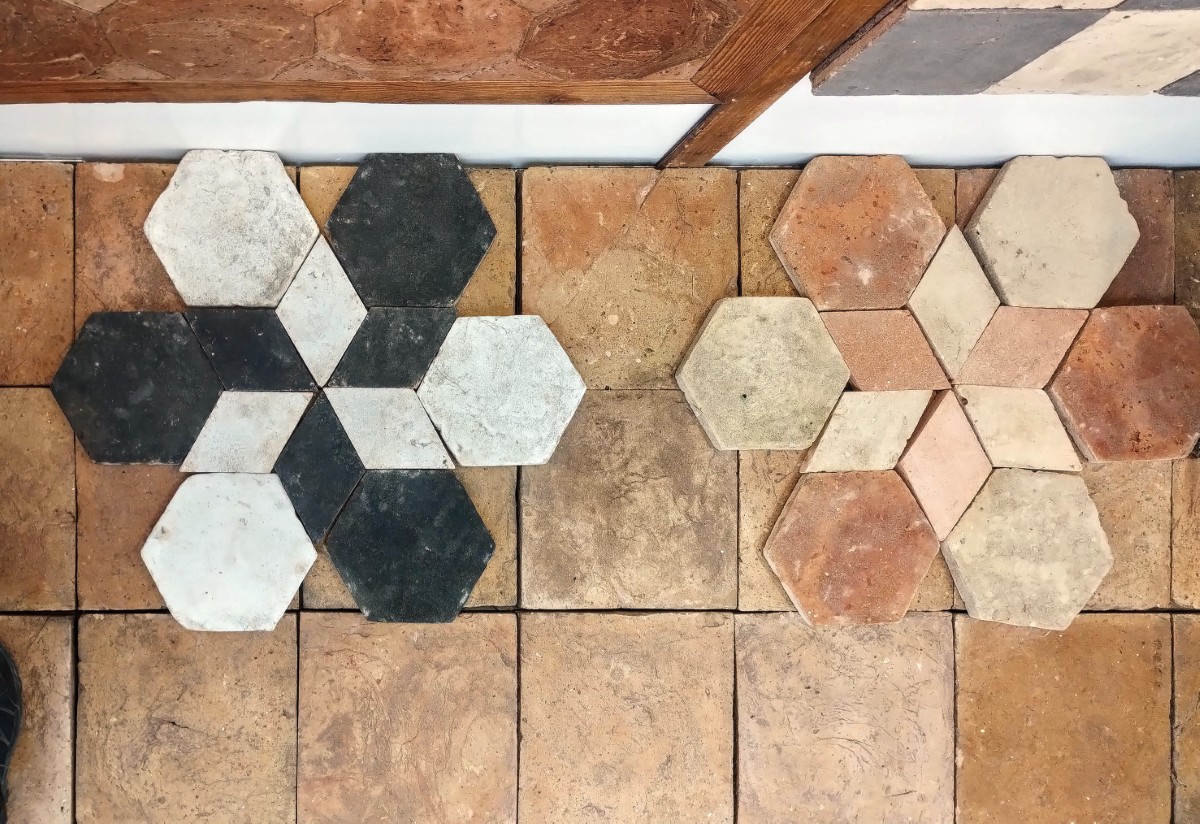
Then there are variations, in large numbers, with which, since remote times, the most wealthy owners of villas and farmhouses have raced to play decoratively with the tramplable surfaces. We speak of aristocracy and nobility, in the vast majority of cases, because leaving from a production in series and from simple forms such as squares, rectangles and robes, obviously involves a much more complex and often difficult workmanship, as well as the laying process, and, consequently, a much greater cost. The same can be done today - fortunately, without having to be principles, accounts, industrial or rich landowners - turning to furnaces that still work with traditional techniques, if you do not have the chance to discover original ancient pieces able to meet the aesthetic and creative needs that are at the origin. It will thus be possible to obtain decorative effects with original and imaginative compositions, perhaps, for example, intervening also with the so-called Greeks, framed decorations that surround the floor, narrowing the processing intervention only in its portion - the Greek itself, or the frame, may have different levels of complexity - or mixing the terracotta to other materials such as stone, wood or ceramics.
Beyond the floors, the use of three-dimensional “special” pieces lends itself to an infinity of applications, both structural, such as frame bases of pillars, creation of columns, edges of windows or niches, frames of brick fireplaces, or for decorative interventions, both inside and outside.
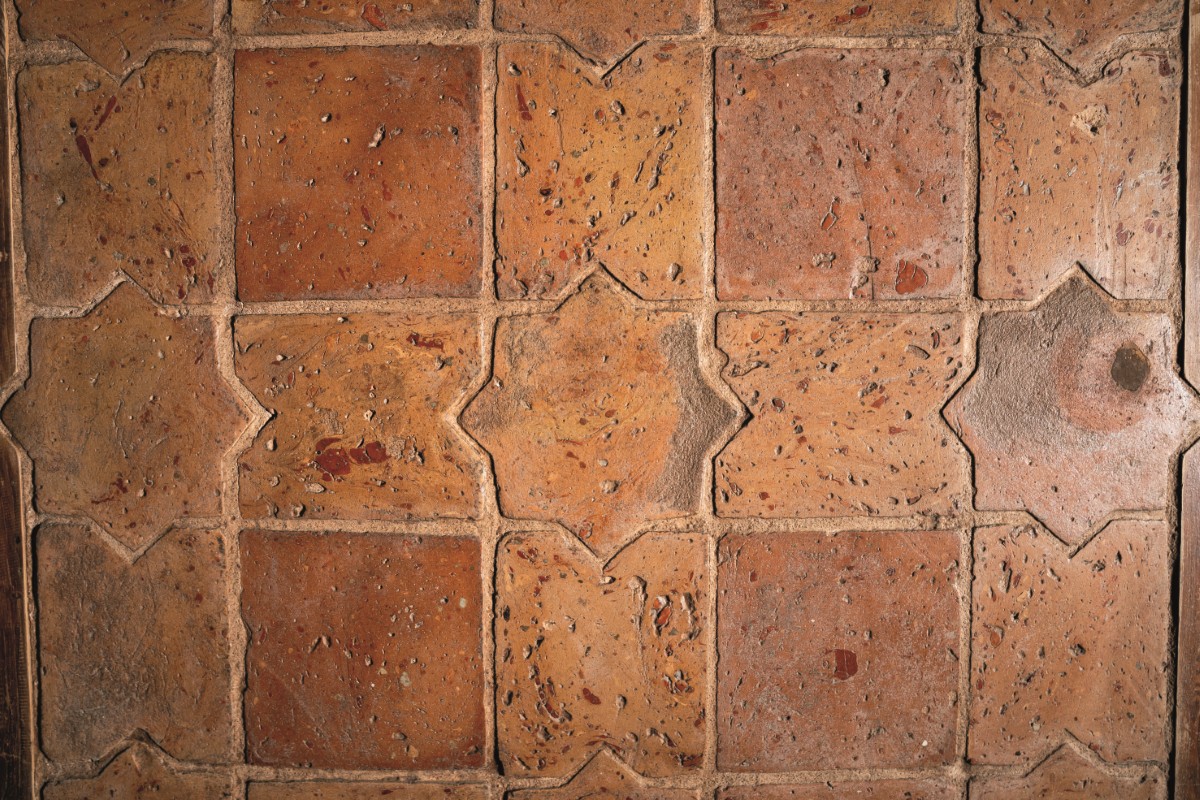
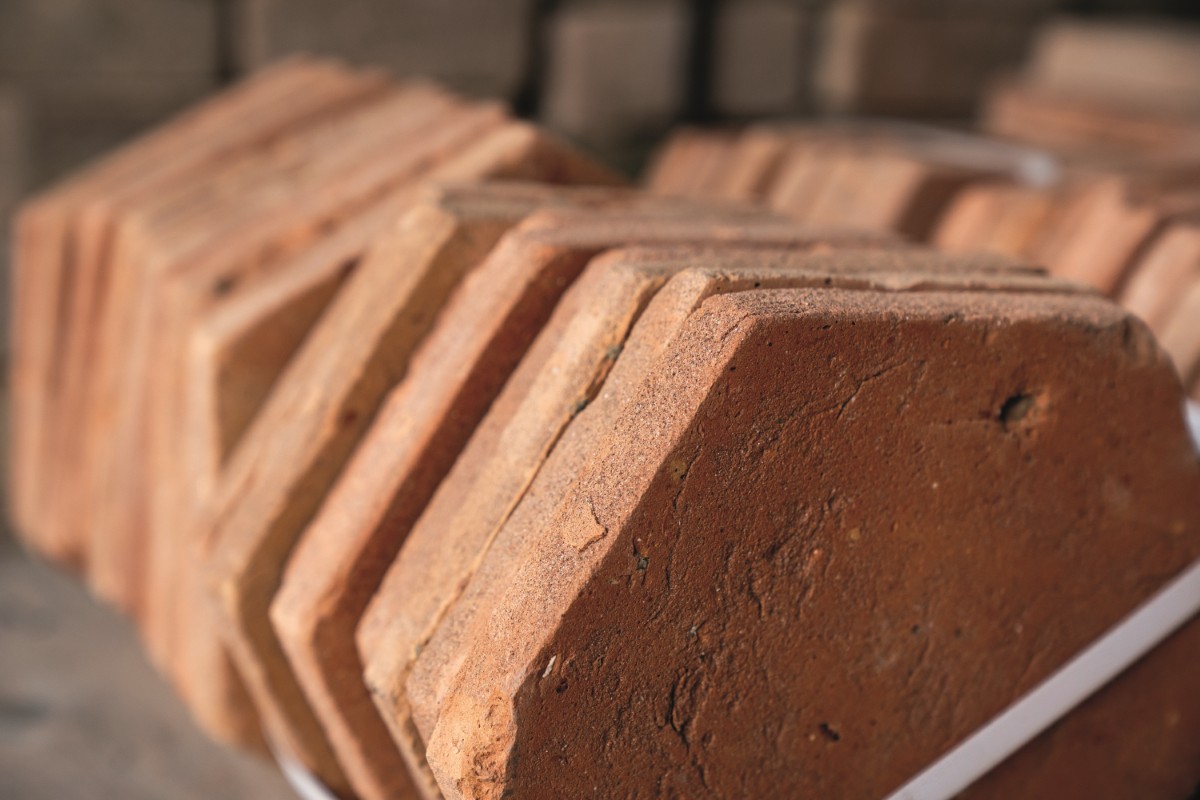
The so-called “special pieces” within the “cotto”, can be distinguished in two categories: those with unusual and original shapes, mainly for flooring or coverings; those with shapes that we can call "three-dimensional" to characterize artifacts, decorative or architectural protrusions.
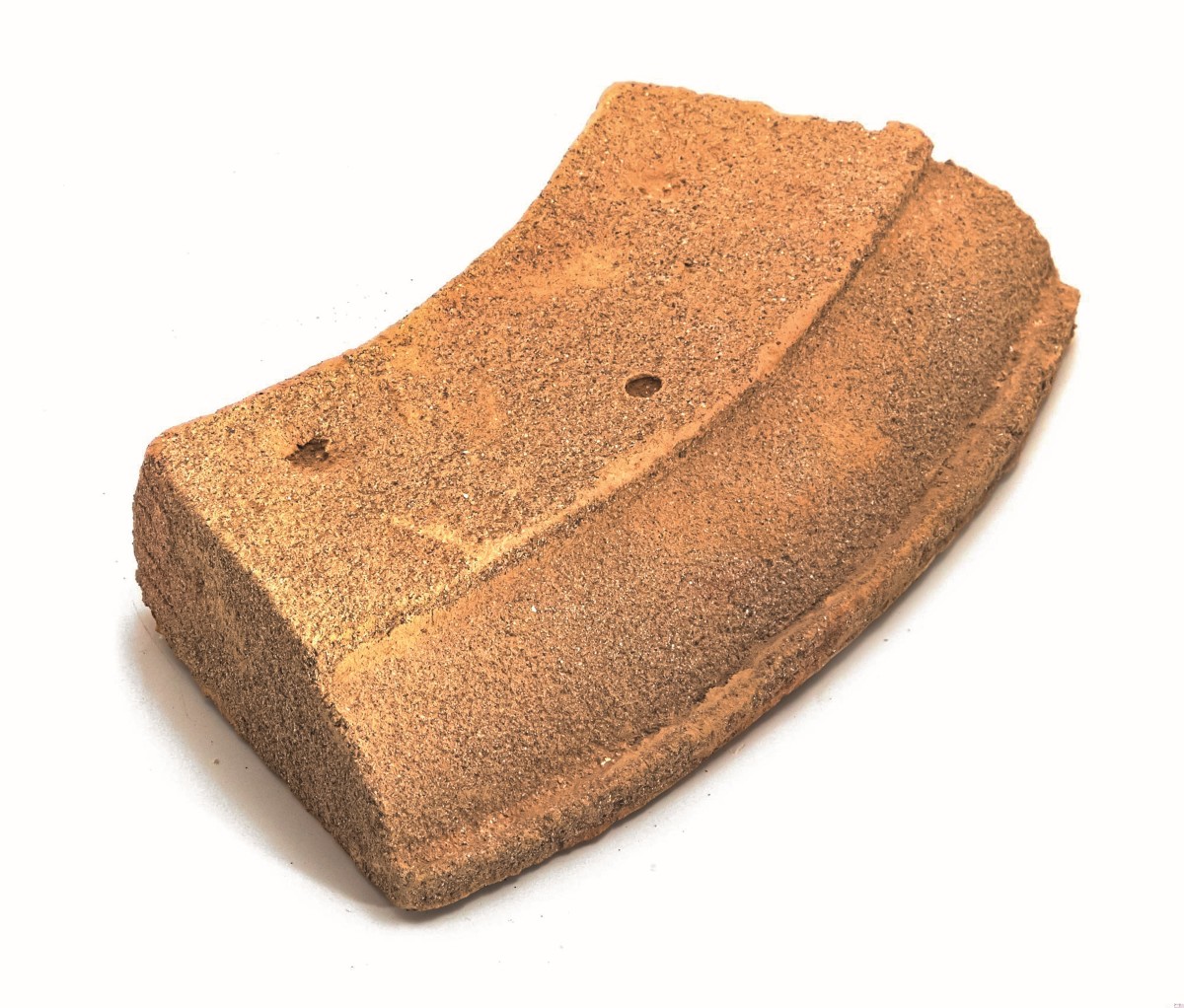
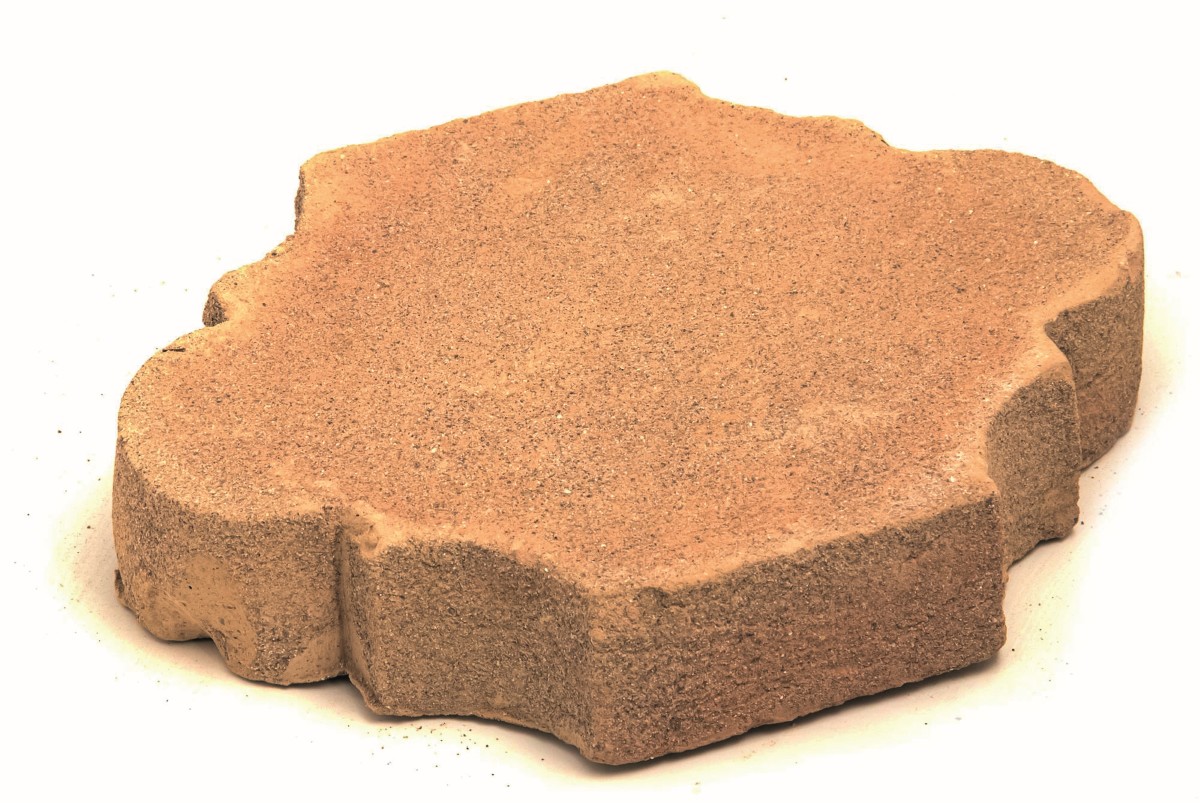
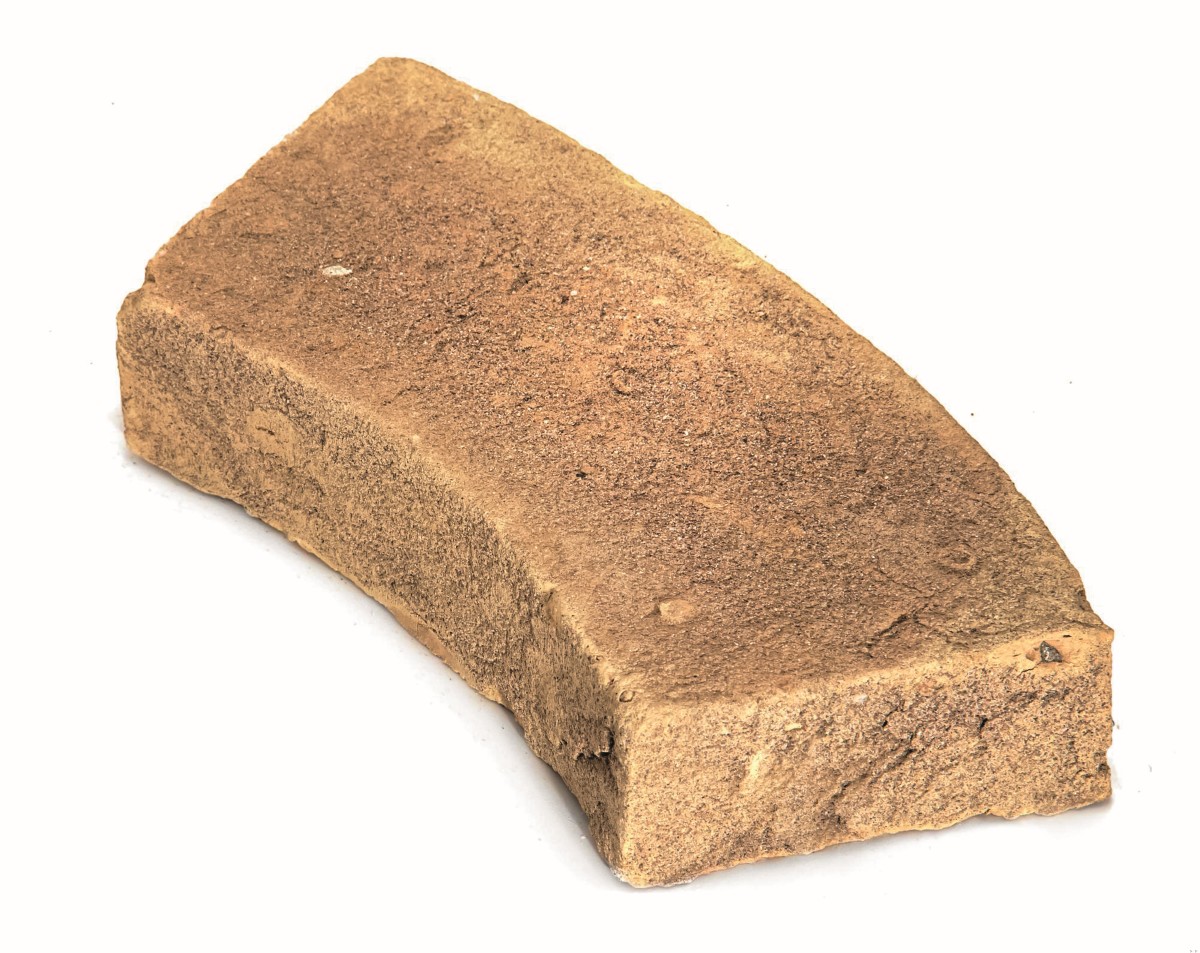
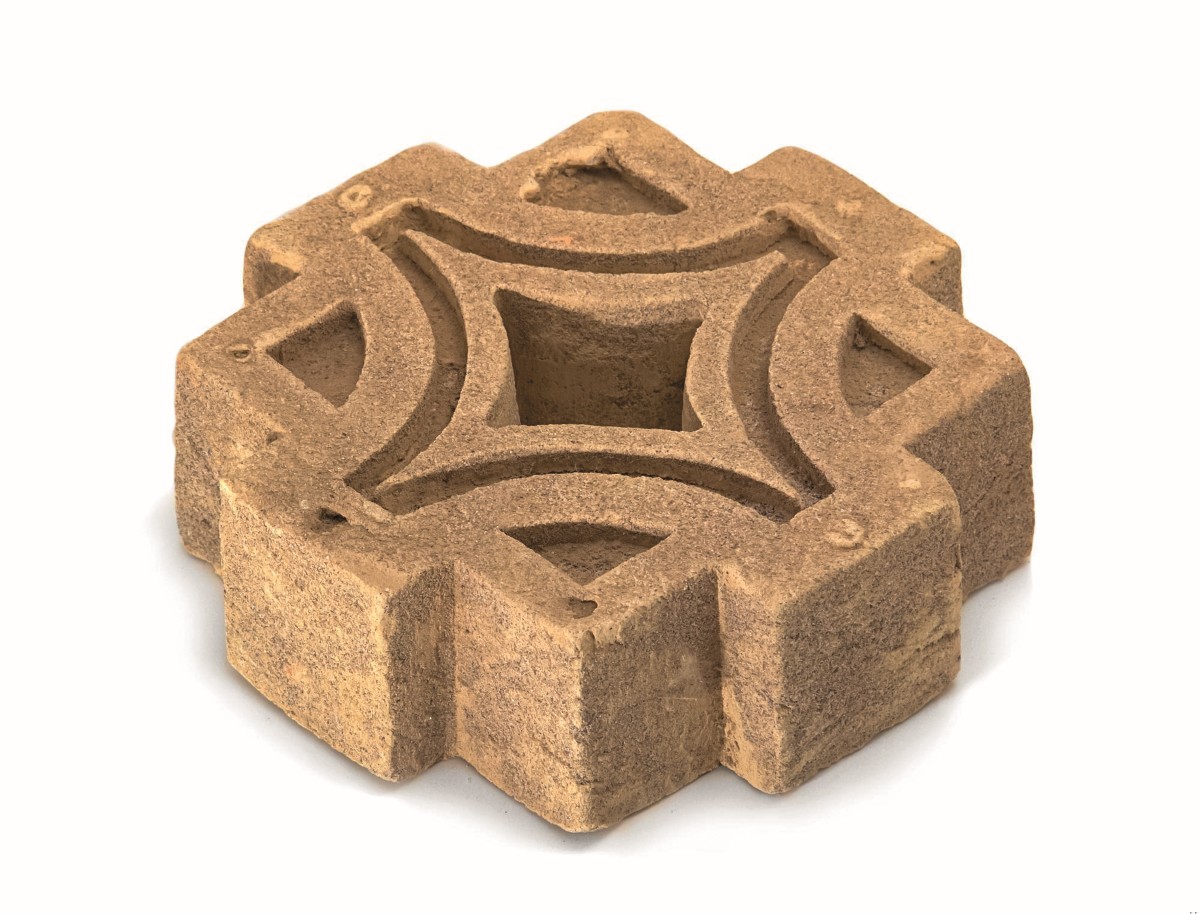
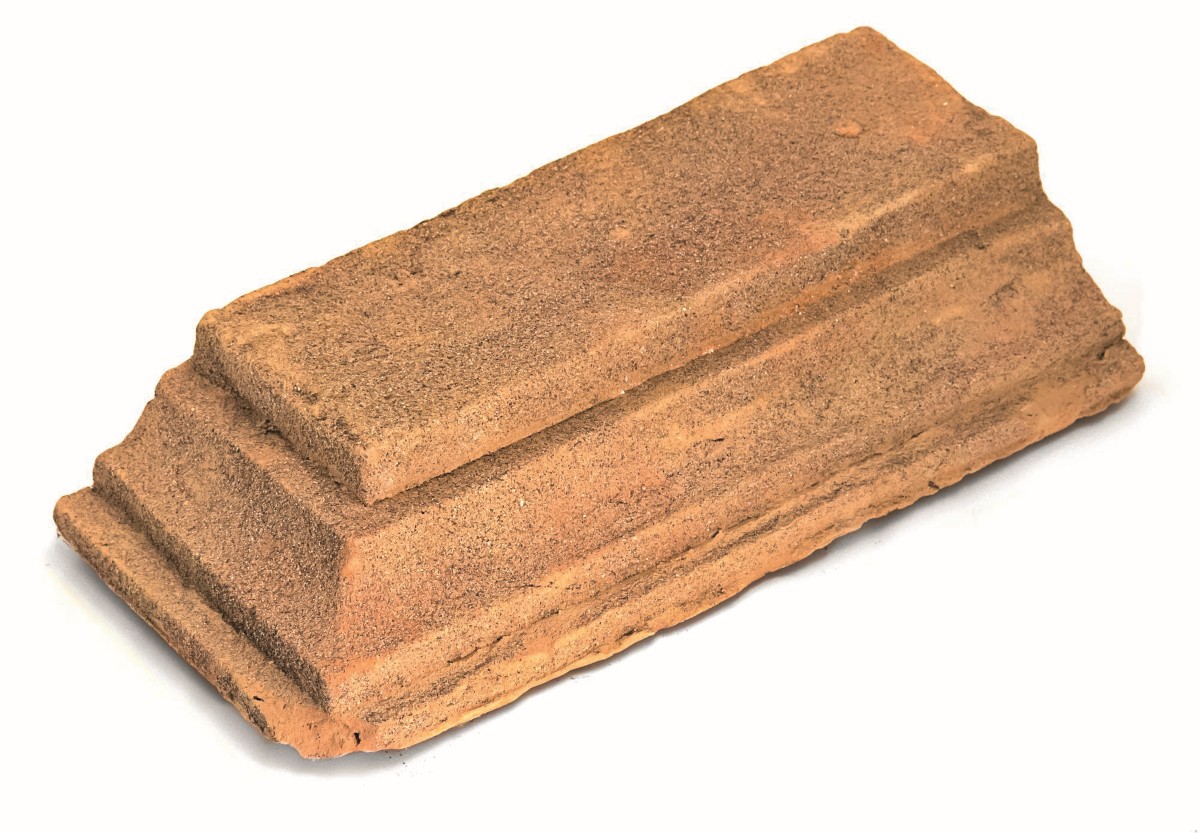
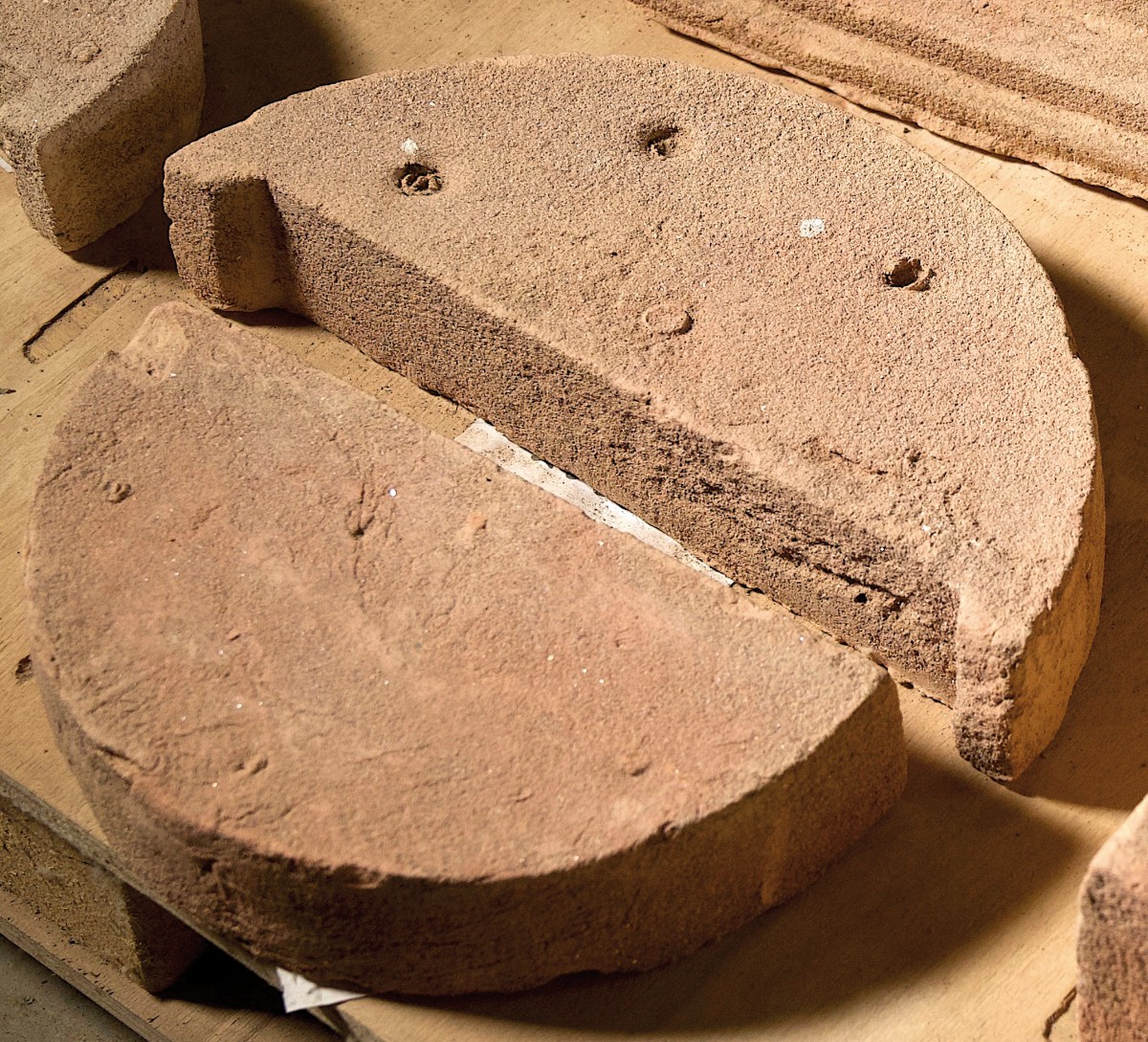
The “special pieces” can be made to measure, in small quantities, or in reduced series. The most frequent use of these elements takes place in the restoration, but also the ex-new realizations, if projected towards original or elaborate projects, can require different forms, which also in this case can be commissioned to measure or in series.
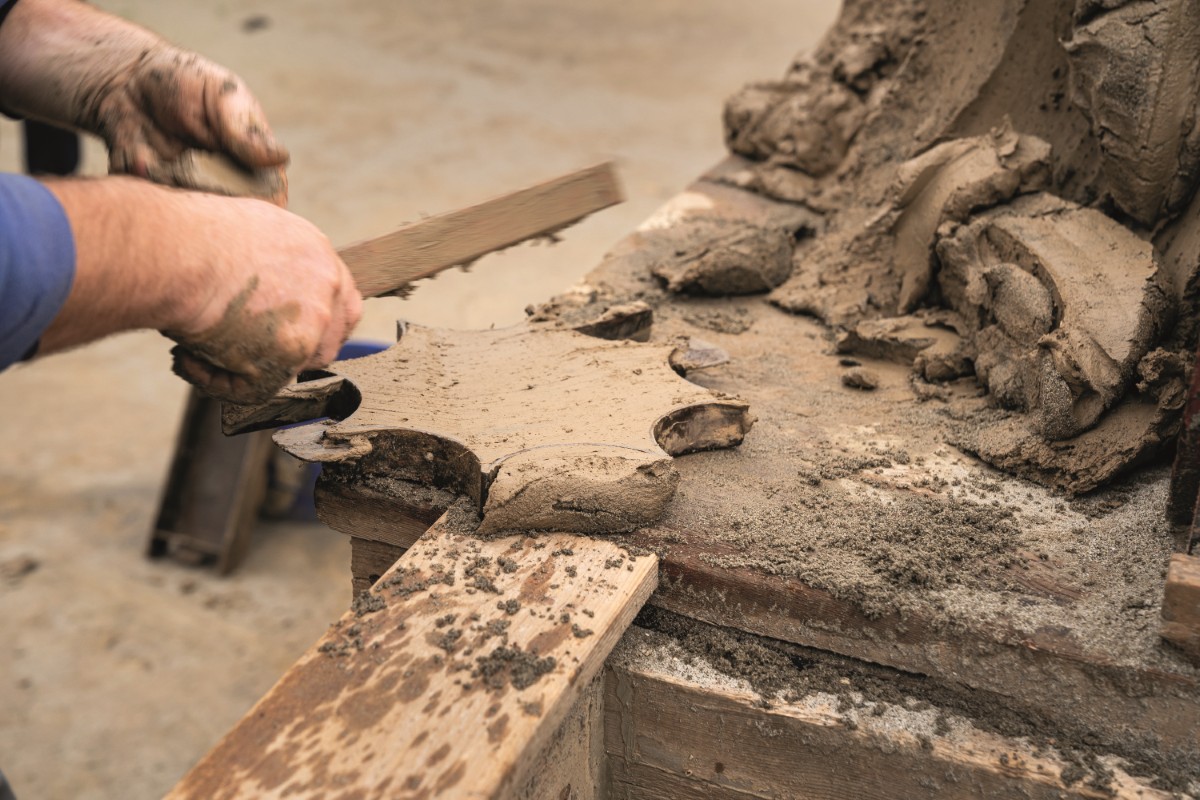
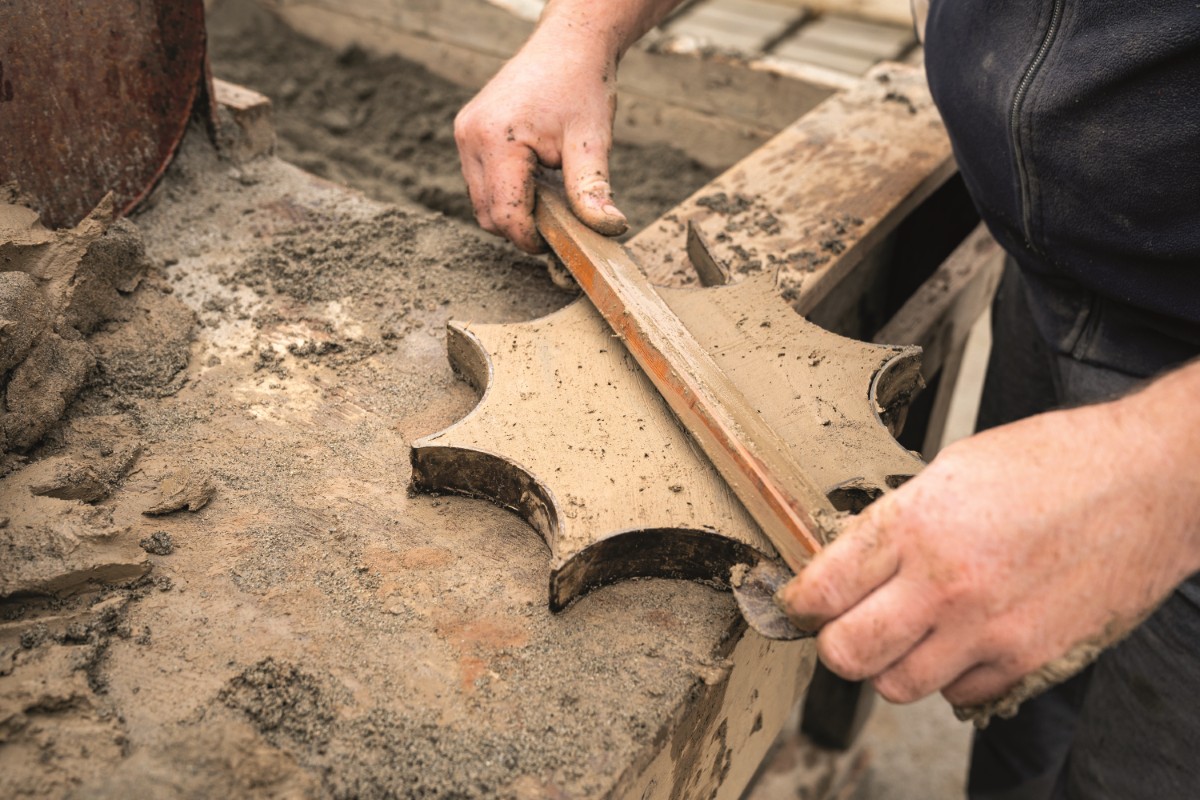
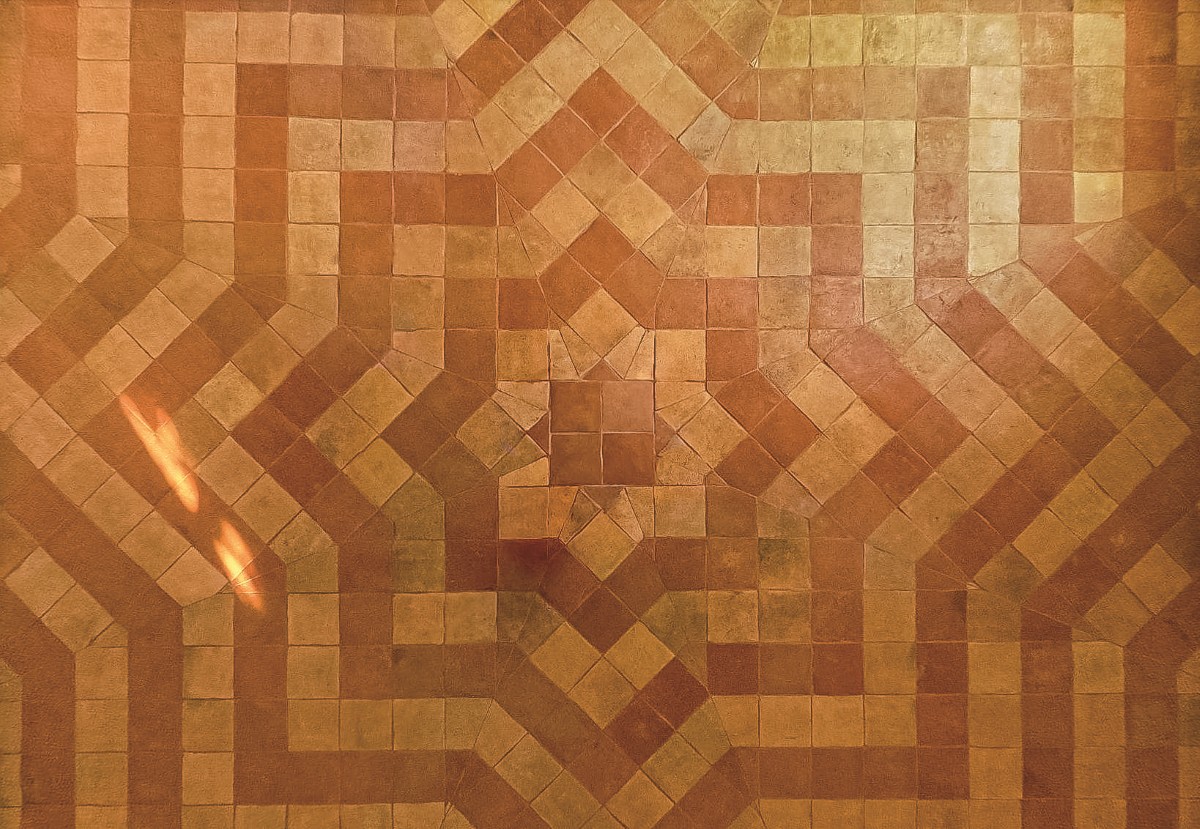
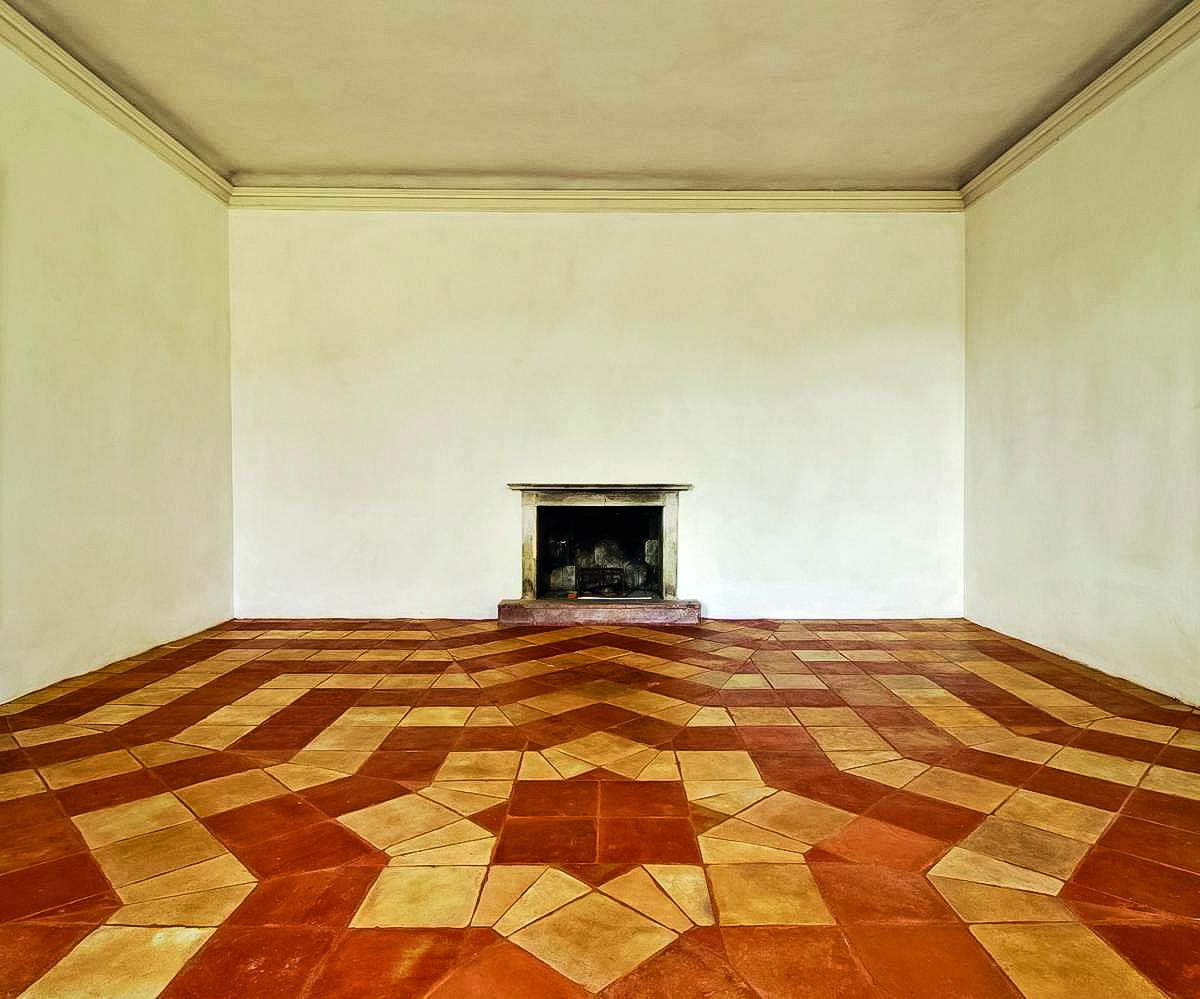
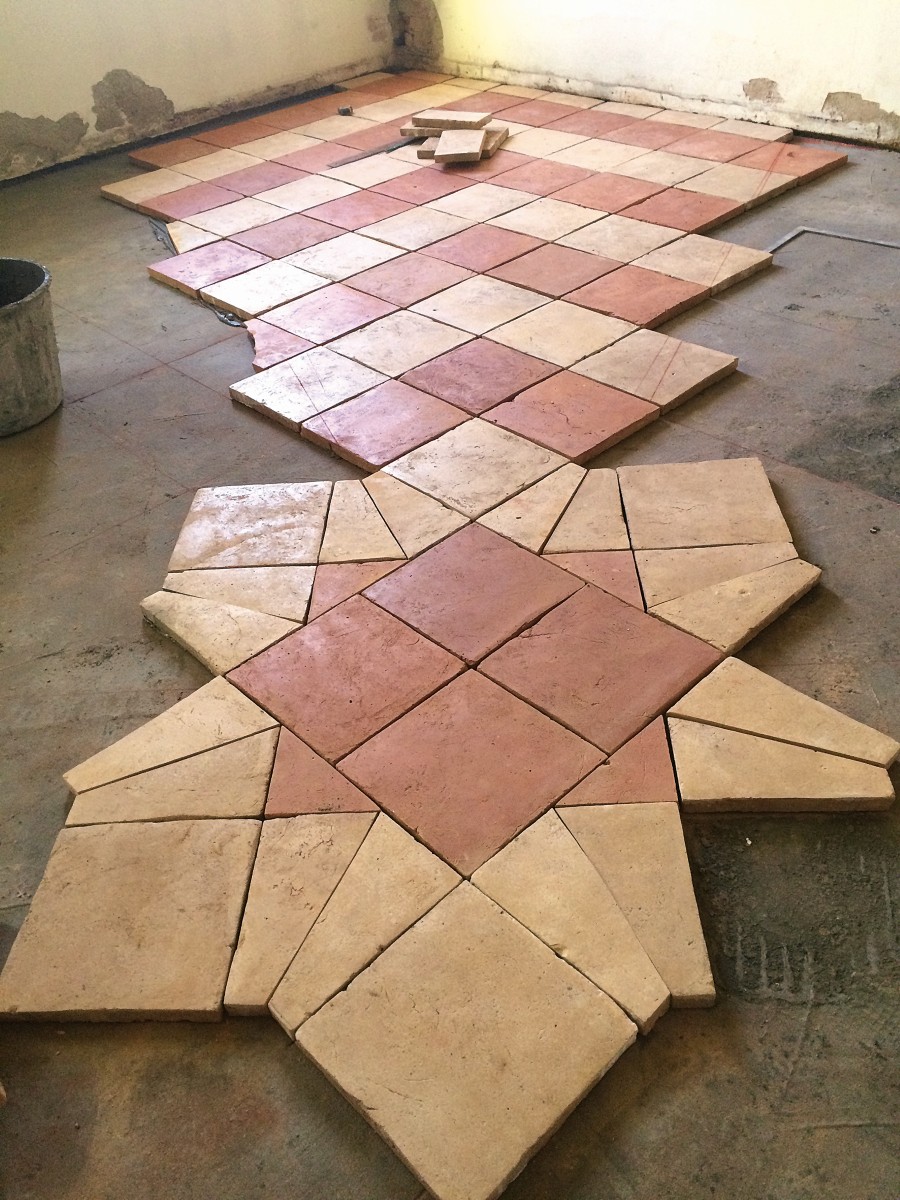
Below: some stages of the reproduction of the old floor of the Villa Cavalli salon (PD). In this case, the extraordinary design of the floor is obtained with only two types of terracotta tiles with different color dough of Antica Fornace Carraro. The mastery is given by the cut of the tiles and the enchanted to obtain a huge almost “optical” design.
Special pieces are, for example, among others, the modules created to create the “gelosie” or the wounds of the barns that, originally, had the function of airing the hay inside them. These modules were characterized by very different forms, depending on the territorial location, in the context of our peninsula. Today, with the same pieces, you can create interior walls, balustrades, decorations in niches.
Then there are variations, in large numbers, with which, since remote times, the most wealthy owners of villas and farmhouses have raced to play decoratively with the tramplable surfaces. We speak of aristocracy and nobility, in the vast majority of cases, because leaving from a production in series and from simple forms such as squares, rectangles and robes, obviously involves a much more complex and often difficult workmanship, as well as the laying process, and, consequently, a much greater cost. The same can be done today - fortunately, without having to be principles, accounts, industrial or rich landowners - turning to furnaces that still work with traditional techniques, if you do not have the chance to discover original ancient pieces able to meet the aesthetic and creative needs that are at the origin. It will thus be possible to obtain decorative effects with original and imaginative compositions, perhaps, for example, intervening also with the so-called Greeks, framed decorations that surround the floor, narrowing the processing intervention only in its portion - the Greek itself, or the frame, may have different levels of complexity - or mixing the terracotta to other materials such as stone, wood or ceramics.